How To Bind a Book Video Tutorial - Thermal Binder

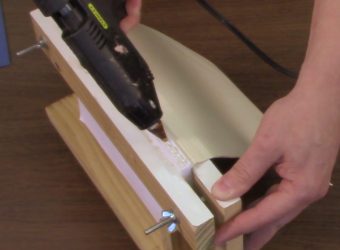
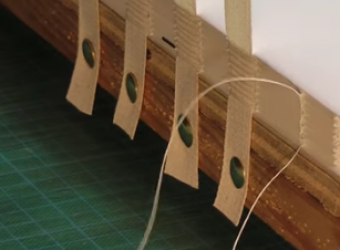
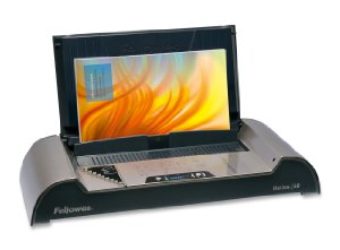
I just found this really nice bookbinding demo video from a self-publishing author. His method of printing 2 books together, using a cheap thermal binding machine to do the final gluing, and then cutting the book in half at the end is pretty clever.

If you have to use a copy shop’s stack cutter to trim your book, this is a very economical solution. You can get several books out of each cut - which comes in handy when they charge by the cut.

Did you like this post? Buy me a latte and say thanks!

Permalink • Print • Comment

Instructions on How to Bind a Book

When I began searching for instructions on how to bind a book I didn’t realize how difficult it would be to find a reliable and useful information. I only wanted to create a simple paperback book (I later learned that paperbacks are called ‘perfect bound’ books) but found a huge number of websites that were just republished copies of old public domain books on the subject. It was interesting to learn about the fine craft of hand made sewn books, but nobody was making trade paperbacks in 1912.

Permalink • Print • Comment

Bookbinding Demonstration - Glue Bound Paperback

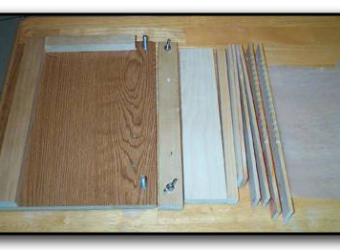
During a holiday this summer I made a simple bookbinding jig to help speed up my efforts when creating paperback books (you can read more about the bookbinding jig in this article.)

The bookbinding jig worked extremely well (I’ve made 7 books so far) and I have been having great success using it to make books with glue bindings. So, I decided to put together this quick video to demonstrate the process I use.

The video is edited slightly, but the whole process shown only took about 15 minutes from start to finish and much of the time cut out was waiting for the glue to setup enough to remove it from the jig.If you enjoy this demonstration, please bookmark the page and share it with others.

Permalink • Print • 2 Comments

DIY Book Binding Equipment - Binding Jig For Perfect Bound Books

There are a lot of options available on the market for perfect bound bookbinding equipment. Most are expensive and geared toward companies running fulltime binderies. Others are pitched at the business market and focus on creating bound reports. There are even a few binding solutions aimed at small operations looking to create short runs of perfect bound books. But, they all cost thousands of dollars.

My first experiments in bookbinding involved some extremely low-tech bookbinding tools - paint stirrers and binding clamps. It was tricky to get the pages lined up, position the stirrers, and get the clamps on and they got in the way when applying glue. Finally, there was no good way to add the covers. I needed a better solution.

Permalink • Print • 10 Comments

Glue Options For Perfect Bound Paperback Books

I’ve had a chance to experiment with a few different types of glues for my books and the best one I have come across are PVA glues which can be found in any art supply or craft store.

PVA is easy to work with and strong. This is just a common white glue that is very flexible and can be easily brushed onto the spine of the book. PVA glues are acid free and used in libraries to repair books. The biggest problem is slow drying time. You will need to keep the pages clamped together for a while as it dries. Adding another layer of glue to the book block later and attaching the cover works fine.

Permalink • Print • 4 Comments

Do It Yourself Book Binding Tutorial - Part 1

A simple little origami paper trick started a new interest for me in bookbinding - and eventually this handmade bookbinding tutorial. I found a blog article with a link to a PDF file that, when printed out and folded, created a very useful little 8 page expense tracking booklet that would slip in your pocket. I have found a number of other websites recently that offer various printable templates for customized notebook and day planner pages that can be printed out on your desktop. Now I want to bind a proper notebook with my own templated pages inside. There are several ways to go about making a book. The cheapest and easiest is to saddle-stitch the book. For this method you lay a small stack of pages together with a cover made of card stock, put two staples along the spine to hold it together (there are special ‘saddle stitch staplers‘ for this task), and then fold it in half. Alternately, you can sew the pages together with a heavy thread instead of stapling.

Permalink • Print

Plastic Comb Binding For Self-Publishers

Plastic Comb Binding (also known as Comb Binding) is an inexpensive and readily available method of book binding. The spine edge of the paper stack is punched with a series of rectangular holes. The Plastic Comb, which is a tube of flexible plastic with a series of teeth cut into one edge, is threaded through the holes. The loose end of the teeth is tucked into the straight edge to finish the binding.

GBC(R) CombBind 19-Ring Plastic Binding Combs, 2in., 425-Sheet Capacity, Black, Pack Of 50This binding is often used for cookbooks, manuals, documents who’s content is regularly changing, and reports.

Permalink • Print • Comment

Making Booklets From PDF Files

Are you trying to print out the contents of a PDF document in booklet format?

A colleague of mine just told me about a very long and drawn out process he went through to create a booklet for his work. The original file he was given for the project had been created with Microsoft Publisher. He, being a Mac Guy, was using Quark for page design. Overall, it just did not go well.

Permalink • Print • 1 Comment

Building A Perfect Binding Machine - Examples

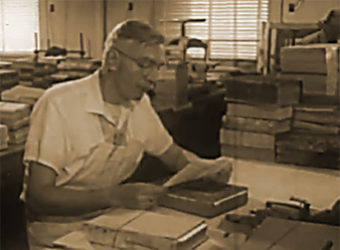
If you have set out to build your own bookbinding machine to create perfect bound paperback books, it is wise to seek out some examples of machines used in the binding industry. That is easier said than done, but I have located a few places that sell such machines and even found a video demonstrating one such bookbinding machine in action.

As you watch the video I found, take special note of the critical aspects of the process.

Permalink • Print • Comment

Do It Yourself Book Binding Tutorial - Part 2

In Do It Yourself Book Binding Tutorial - Part 1 we looked at the some of the options I found for creating books by hand and the reasons why I settled on a trade paperback style glue-bound book for my project. Now it is time to take a detailed look at the steps I took to produce my first paperback book.

This technique is ideal for making photo books, journals, short story collections and more. If you have bought an e-book that you wish was in print form for reference - print it and bind it. Anything you can print on your desktop printer will work. Make gifts, create books to sell, reprint public domain books for your library, or just collect your personal writings in a more substantial and powerful way.

Permalink • Print • 34 Comments